
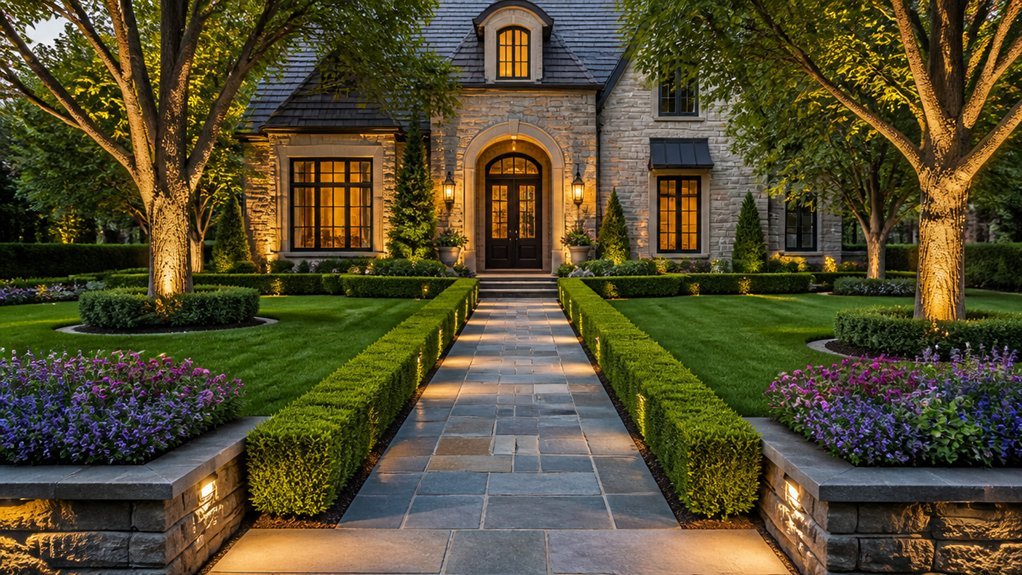
Well-maintained landscaping can significantly boost a property’s market value when approached thoughtfully. Strategic upgrades like consistent lawn care, intentional tree placement, and well-designed hardscaping create instant curb appeal. Buyers often form lasting impressions within seconds of seeing a home’s exterior.
First impressions matter enormously in real estate. Prospective buyers frequently decide whether a property feels welcoming before they ever step through the front door. Professional installations typically yield stronger returns than DIY efforts, though thoughtful amateur work can still pay dividends.
Not every landscaping choice adds value, however. Overly personalized designs, high-maintenance features, or poorly placed elements can actively deter buyers and reduce worth. Understanding which improvements resonate with broad audiences becomes essential for homeowners weighing their investment options.
Do Landscaping Upgrades Really Pay Off?
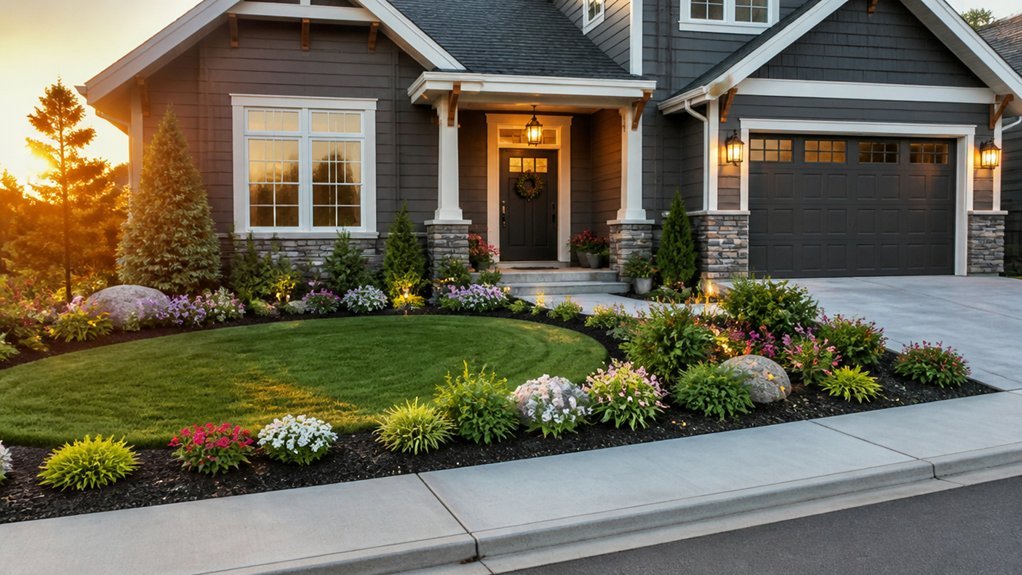
How much value do landscaping improvements actually add to a home? Studies show that landscaping returns approximately 50 to 100 percent of investment at resale.
Front yard upgrades, including new plants, mulch, and lawn care, attract potential buyers immediately. Quality trees and shrubs increase curb appeal markedly.
Hardscaping features like patios, walkways, and retaining walls add functional value. However, returns vary by location, climate, and property condition.
Well-maintained landscapes appeal broadly, while overly personalized designs may limit buyer interest.
Professional installation costs more upfront but typically generates better returns than DIY projects.
Regional preferences matter greatly when selecting plant types and outdoor features.
Why Front Yard Appeal Matters Most
The front yard serves as a home’s primary introduction to potential buyers, making it the most influential landscaping area for property value. First impressions occur within seconds, determining whether visitors view the property favorably.
Well-maintained lawns, trimmed hedges, and flowering plants signal property care and attention to detail. Strategic placement of trees provides shade and visual interest, while clean pathways and defined borders enhance curb appeal.
Buyers often decide to schedule viewings based on front yard appearance alone. Investing in front landscaping generates measurable returns, as exterior aesthetics directly influence initial perceptions and subsequent offers.
Which Landscaping Improvements Increase Home Value
Certain landscaping upgrades consistently deliver stronger returns on investment than others, making strategic choices important for homeowners seeking to maximize property value.
Well-maintained trees and shrubs provide immediate curb appeal and long-term value. Quality mulch beds, defined borders, and healthy lawn care show property maintenance.
Hardscape features like patios, walkways, and retaining walls offer functional improvements. Professional landscape design increases perceived value more than random plantings.
Mature plantings cost more upfront but yield better results than newly planted areas. Removing dead or diseased vegetation proves essential. Strategic lighting enhances evening appearance and security.
These improvements collectively signal property care to potential buyers.
Hardscaping That Buyers Want
Hardscape elements form the structural backbone of outdoor spaces, moving beyond the soft landscape features discussed previously. Buyers consistently value patios, decks, and walkways made from concrete, stone, or composite materials.
Retaining walls, driveways, and edging define property boundaries while improving functionality.
Pergolas and arbors provide shade structures that extend outdoor living areas. Water features like fountains and small ponds add visual interest.
Quality hardscaping demonstrates maintenance commitment and reduces ongoing upkeep compared to extensive plantings.
These durable installations typically offer strong return on investment, with buyers willing to pay premiums for well-constructed, professionally finished hardscape elements that enhance usability and aesthetic appeal.
Why Regular Maintenance Protects Your Market Value
While hardscape installations represent significant investments, their value deteriorates without consistent upkeep. Patios, walkways, and retaining walls require regular cleaning, sealing, and repair to maintain their condition.
Neglected hardscaping develops cracks, stains, and structural damage that reduce curb appeal and property value. Buyers perceive poorly maintained outdoor features as indicators of broader home neglect.
Routine maintenance tasks include pressure washing surfaces quarterly, sealing pavers and stone annually, repairing mortar joints and loose stones, and clearing debris from drainage areas.
Properties with well-maintained hardscaping command higher selling prices. Consistent upkeep prevents expensive restoration work later, protecting long-term market value and buyer confidence.
Costly Mistakes That Kill Property Value
Property owners often make landscaping decisions that considerably reduce home value, even when intentions are good. Overgrown shrubs blocking windows decrease curb appeal and create maintenance concerns.
Dead trees, diseased plants, and bare patches signal neglect to potential buyers. Poorly placed structures like sheds or decorative elements clutter yards unnecessarily.
Excessive mulch piled against home foundations encourages pest problems and wood rot. Neglected lawns with weeds, bare spots, and uneven growth appear unmaintained.
Mismatched or outdated hardscaping creates visual discord. Removing mature trees eliminates shade and established landscape character.
These mistakes require significant correction efforts before selling, reducing profit margins substantially.
Build Your Budget-Friendly Landscaping Plan
How can homeowners improve landscaping without spending excessive amounts of money? Strategic planning reduces costs while maintaining curb appeal. Prioritize high-visibility areas, such as front entrances, pathways, and foundation beds.
Plant native species, which require less maintenance, water, and fertilizer than non-native plants. Mulch application costs less than elaborate hardscaping but improves appearance considerably.
Consider DIY projects for simple tasks, including planting, weeding, and basic pruning.
Purchase plants during off-season sales, typically fall and winter months. Divide perennials from existing gardens rather than buying new specimens.
Focus budget on essential improvements first, then expand gradually as finances allow.
Frequently Asked Questions
How Long Does It Typically Take to See ROI From Landscaping Improvements?
Homeowners typically observe return on investment from landscaping improvements within one to three years. The timeline depends on factors such as project scale, local real estate market conditions, and property location. Well-maintained landscapes consistently enhance curb appeal and marketability.
What’s the Best Season to Start a Major Landscaping Project?
Spring and fall represent ideal seasons for major landscaping projects. Spring offers active growing conditions and moderate temperatures, while fall provides cooler weather reducing plant stress. Both seasons guarantee adequate establishment time before extreme summer heat or winter dormancy.
Should I Hire a Professional Landscaper or Do DIY Landscaping?
Homeowners who seek expertise hire professionals; those pursuing cost savings tackle projects themselves. Professional landscapers offer design knowledge and efficiency, while DIY enthusiasts gain satisfaction and savings. The choice depends on budget, time availability, and project complexity.
How Often Should I Update Landscaping to Maintain Property Value?
Homeowners should update landscaping every 3-5 years to maintain property value. Regular maintenance, seasonal plantings, and rejuvenating hardscapes prevent deterioration. Annual upkeep guarantees the landscape remains attractive and functional, protecting the investment.
What Landscaping Features Appeal to Different Buyer Demographics and Neighborhoods?
Like fingerprints, each buyer demographic and neighborhood demands distinct landscaping features. Families prefer play areas and shade trees; luxury markets favor manicured gardens and water features, while urban professionals value low-maintenance native plants and modern hardscaping designs.
Conclusion
Landscaping investments yield measurable returns, with studies showing well-maintained yards increase property value by up to 15 percent. Homeowners benefit most from combining affordable maintenance with strategic upgrades like patios and front-yard improvements. Professional installations outperform DIY efforts, reducing costly mistakes. Strategic plant selection, regular upkeep, and hardscaping features work together to enhance curb appeal and market value simultaneously.