
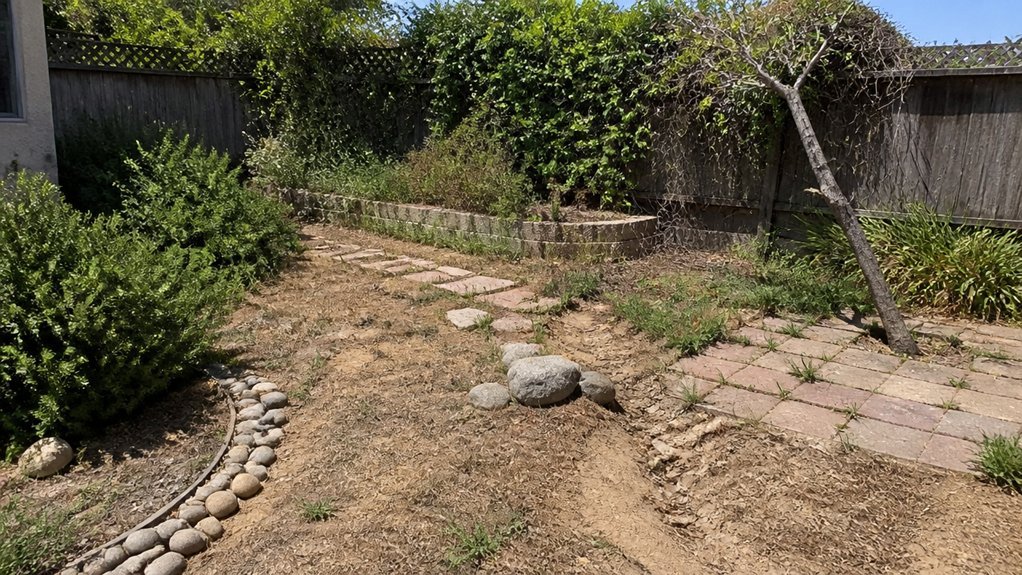
Many homeowners dive into landscaping with enthusiasm, only to hit preventable snags that slowly unravel their outdoor vision. Crowding plants too tightly together sparks an invisible battle underground, where roots fight over limited water and nutrients. What starts as a lush look quickly becomes stunted growth and declining health.
Drainage issues quietly destroy gardens from below. When soil holds water like a sponge, shrubs and trees suffocate and rot, often showing symptoms only when it’s too late to save them. Meanwhile, skipping the design phase might feel efficient at first, but it typically ends with chaotic overcrowding and features sitting awkwardly out of place.
Climate mismatches trip up even experienced gardeners. A plant thriving in a neighboring state may wither in your specific conditions, wasting money and effort on guaranteed failure. Beyond plant selection, overlooked expenses and deferred maintenance quietly accumulate, turning manageable projects into financial burdens.
Recognizing these patterns changes everything. The gap between a landscape that flourishes and one that falters rarely comes down to luck—it stems from avoiding these fundamental missteps before breaking ground.
Spacing Plants Too Closely Together
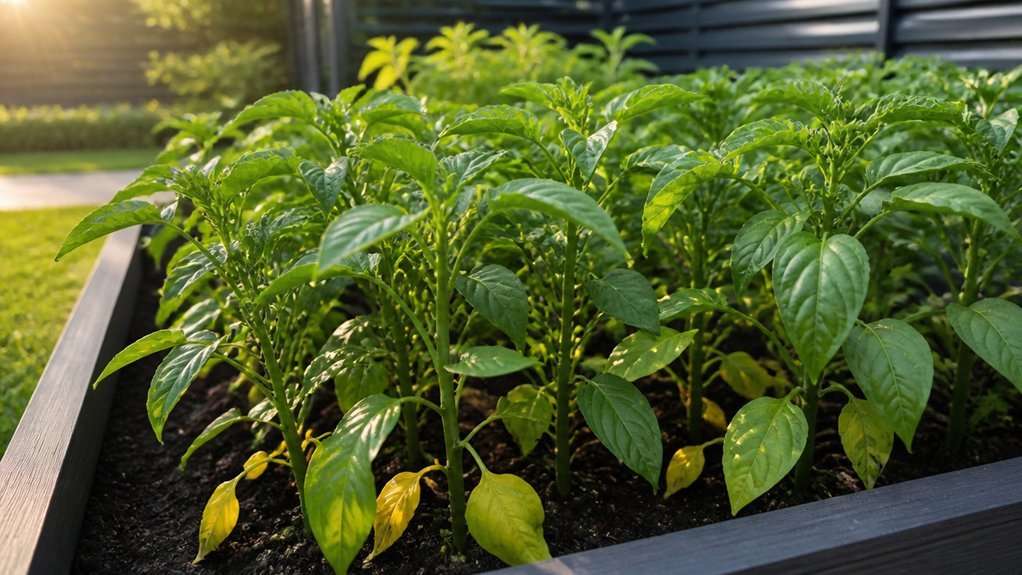
When plants are placed too near each other, they compete for water, nutrients, and sunlight, which stunts their growth and weakens their health. Proper spacing allows each plant to develop a strong root system and full canopy.
Shrubs like boxwoods need two to three feet between them, while perennials require one to two feet. Trees demand even greater distance, often ten to fifteen feet apart.
Crowded plantings also trap moisture, increasing disease risk and pest problems. Homeowners should consult plant tags for mature size specifications and space accordingly during installation to prevent costly removal or transplanting later.
Ignoring Soil Quality and Drainage
Soil foundation determines whether landscapes thrive or fail. Poor soil quality and inadequate drainage create conditions where plants struggle, roots rot, and water pools.
Homeowners should test soil composition, checking pH levels, organic matter content, and mineral balance before planting. Clay-heavy soil, for example, retains excessive moisture, while sandy soil drains too quickly. Adding compost improves structure and water retention.
Proper drainage systems, including grading and underground pipes, prevent waterlogging. Neglecting these factors results in plant disease, erosion, and costly landscape replacement.
Addressing soil and drainage issues upfront saves time, money, and frustration later.
Skipping the Design Phase
Many homeowners jump directly into planting and hardscaping without a clear design plan, resulting in landscapes that lack cohesion and fail to meet their needs. A thoughtful design phase establishes focal points, pathways, and plant placement before any work begins.
Skipping this step often leads to costly mistakes, such as overcrowding shrubs, misplacing trees that later obstruct views, or installing patios in poor locations.
Designing involves considering sun exposure, foot traffic patterns, maintenance requirements, and budget constraints. Taking time to sketch layouts, select appropriate plants for climate zones, and plan irrigation systems prevents wasted resources and guarantees functional outdoor spaces.
Picking Plants That Won’t Survive Your Conditions
Because plants have specific environmental requirements, selecting species unsuited to local conditions results in poor growth, disease, and wasted investment. Homeowners must assess their yard’s sunlight, soil type, moisture level, and hardiness zone before purchasing plants.
Shade-loving plants like hostas will struggle in full sun, while drought-tolerant varieties such as cacti require well-draining soil.
Native plants typically adapt better to regional climates than exotic species.
Researching plant tags, consulting local nurseries, and observing neighboring landscapes help identify appropriate choices.
Matching plants to existing conditions prevents costly failures and establishes a sustainable, thriving garden.
Choosing Hardscaping Without Expert Input
While selecting the right plants sets the foundation for a healthy garden, the hardscape elements, patios, walkways, retaining walls, and drainage systems, require equally careful planning.
Many homeowners misjudge slope angles, material durability, and water drainage when designing these features independently. Improper grading can direct water toward house foundations, causing damage.
Poor material choices, such as selecting porous stone in freeze-thaw climates, lead to cracking and deterioration.
Professional landscape architects assess soil composition, climate conditions, local building codes, and long-term maintenance needs.
Consulting an expert prevents costly mistakes and guarantees hardscape features function properly and last longer.
Forgetting Maintenance From the Start
Landscaping projects often fail not during installation, but years later when maintenance is neglected or underestimated. Homeowners frequently underestimate the ongoing work required to preserve newly installed features. Shrubs need regular pruning, mulch requires replenishment annually, and irrigation systems demand seasonal adjustments.
Hardscape elements like pavers shift without proper base maintenance. Failure to budget time and money for upkeep transforms attractive landscapes into overgrown, deteriorating spaces.
Before beginning any project, homeowners should establish a maintenance schedule addressing watering, weeding, fertilizing, and equipment repairs. Planning these tasks upfront prevents costly damage and guarantees landscapes remain functional and attractive long-term.
Underestimating Landscape Project Costs
Many homeowners discover that initial cost estimates for landscaping projects fall short of actual expenses. Hidden costs frequently emerge during implementation, including soil preparation, drainage systems, and permit fees.
Material prices fluctuate based on seasonal demand and availability. Labor costs may increase if unexpected obstacles arise, such as underground utilities or poor soil conditions.
Equipment rental, plant replacement due to poor survival rates, and additional design modifications add unexpected expenses. Homeowners should request detailed written estimates, obtain multiple quotes from contractors, and allocate a contingency budget of fifteen to twenty percent above estimates to accommodate unforeseen expenses and prevent financial strain.
Frequently Asked Questions
How Often Should I Water My Landscape During Different Seasons?
Spring and fall require moderate watering twice weekly. Summer demands frequent watering, potentially daily, depending on heat and soil conditions. Winter requires minimal watering since plants enter dormancy. Always adjust based on rainfall and soil moisture levels.
What’s the Best Time of Year to Start a Landscaping Project?
Spring and fall are golden windows for launching landscaping projects. These seasons offer ideal growing conditions with moderate temperatures and adequate moisture. Spring provides new growth opportunities, while fall allows plants to establish roots before winter arrives.
Can I Landscape on a Budget Without Sacrificing Curb Appeal?
Yes, homeowners can achieve attractive curb appeal affordably. Strategic choices like planting native species, utilizing mulch, creating defined borders, and focusing on maintenance enhance landscapes cost-effectively. Prioritizing high-impact areas maximizes visual impact while minimizing expenses.
How Do I Know if My Soil pH Is Appropriate for Plants?
Homeowners can test soil pH through simple kits, professional labs, or digital meters. They should identify desired plants, they should check their pH requirements, and they should adjust accordingly with lime or sulfur amendments.
Should I Hire a Professional Landscaper or Tackle It Myself?
The decision depends on one’s budget, time availability, and expertise level. Professional landscapers offer specialized knowledge and efficiency, while DIY projects provide cost savings and personal satisfaction. Homeowners should assess their skills before deciding.
Conclusion
Avoiding common landscaping mistakes requires attention to spacing, soil quality, design planning, plant selection, hardscaping choices, maintenance schedules, and budget expectations. These elements work together like puzzle pieces, each one supporting the others. Homeowners who address these factors upfront—considering local climate conditions, drainage systems, and long-term costs—establish stronger foundations for landscape success. Thoughtful planning prevents costly corrections later.