
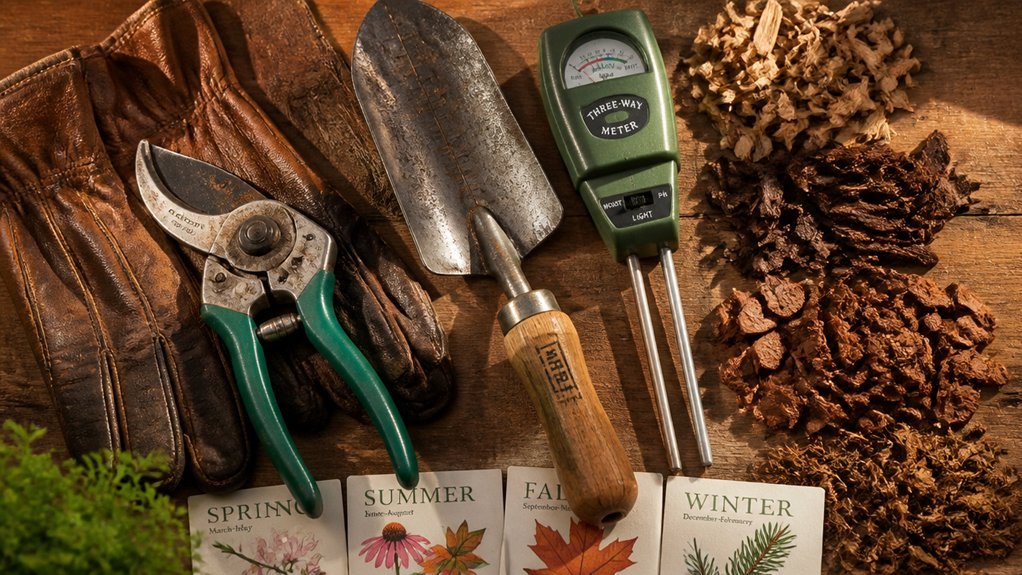
Keeping a residential landscape in good shape means staying on top of tasks that shift with each season. Spring cleanup involves clearing debris left behind by winter storms and checking plants for any frost damage that might have occurred during cold snaps. It’s also a smart time to assess what needs replanting or revitalizing.
Once summer arrives, the focus shifts to keeping everything hydrated and healthy. Regular watering becomes essential, especially during dry spells, while staying vigilant about weeds that compete with your plants for nutrients and moisture. This is often when landscapes look their fullest and most vibrant.
As temperatures begin to drop in fall, leaf accumulation demands attention along with trimming back overgrown branches before they become hazardous. Winter preparation means protecting sensitive plants from harsh conditions and taking advantage of dormancy to prune trees and shrubs without stressing them.
Throughout the year, homeowners must also weigh choices about pest control methods, which tools justify the investment, and when a job exceeds comfortable DIY territory. These decisions often depend on property size, physical ability, and how much time can realistically be devoted to outdoor upkeep.
Spring Lawn and Garden Wake-Up: Your First Tasks
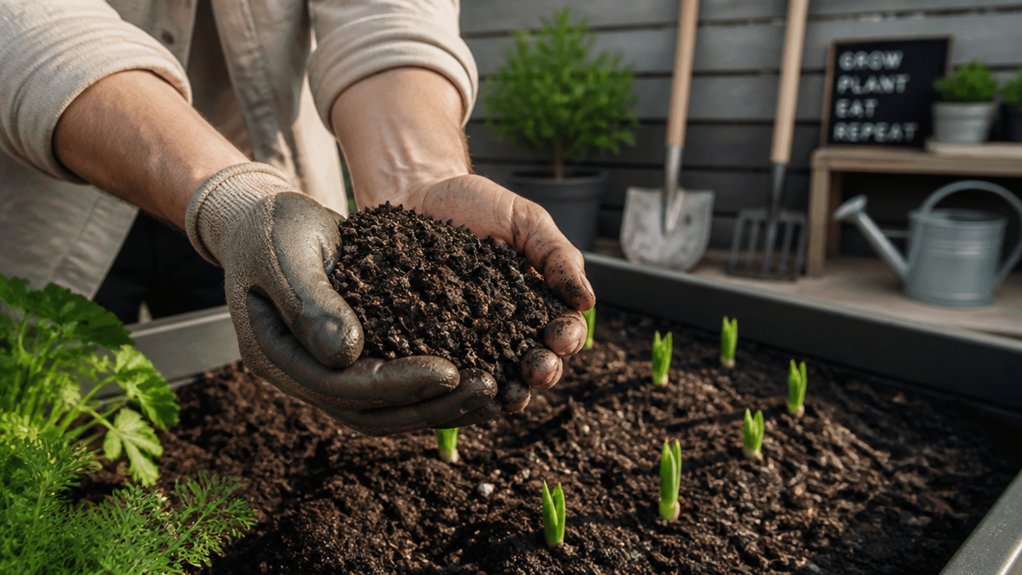
As winter recedes and soil temperatures rise above 40 degrees Fahrenheit, homeowners should begin preparing outdoor spaces for the growing season.
Early spring tasks include removing winter debris, dead leaves, and fallen branches from garden beds and lawn areas. Inspect trees and shrubs for frost damage or broken limbs. Rake the lawn to remove thatch buildup and promote air circulation.
Check irrigation systems for leaks or damage from freezing temperatures. Apply pre-emergent herbicide to prevent weed growth. Prune dormant shrubs before new growth emerges.
Test soil pH and nutrient levels to determine fertilizer needs. These foundational tasks establish healthy conditions for thriving plants throughout spring and summer.
Summer Watering and Weed Control Through Heat Waves
Once spring preparations establish a healthy lawn and garden foundation, summer demands shift toward managing water needs and controlling weeds that thrive in heat.
Early morning watering delivers moisture before evaporation occurs, targeting roots rather than foliage. Deep watering two to three times weekly encourages stronger root systems than frequent shallow watering.
Weeds like crabgrass and dandelions spread rapidly during hot months, requiring removal by hand or selective herbicides.
Mulch application around plants conserves soil moisture while suppressing weed growth.
Monitoring soil dryness prevents stress to established plantings during extended heat waves.
Fall Cleanup and Preparation Before Frost
Several critical tasks prepare landscapes for winter dormancy and spring growth. Homeowners should rake fallen leaves from lawns, beds, and gutters to prevent moisture buildup and disease. Trim dead branches from trees and shrubs, removing diseased wood entirely.
Cut back perennials to ground level, leaving ornamental grasses for winter interest and erosion control. Drain irrigation systems and store hoses indoors to prevent freeze damage.
Apply mulch around plant bases, adding two to three inches for insulation. Plant spring-flowering bulbs before soil freezes. Aerate compacted lawn areas, then overseed bare patches for spring establishment.
Winter Protection and Dormant-Season Pruning
Winter protection measures begin after fall cleanup tasks are completed, safeguarding plants through freezing temperatures and harsh weather conditions.
Homeowners should wrap vulnerable shrubs, including boxwoods and evergreens, with burlap to prevent snow damage and ice breakage. Applying mulch around tree bases insulates roots from extreme cold.
Dormant-season pruning occurs in late winter, targeting dead branches, crossing limbs, and diseased wood on trees and shrubs like maples and ornamental grasses.
Pruning during dormancy reduces stress on plants and promotes spring growth. Remove any storm-damaged branches promptly to prevent pest entry and disease spread.
Common Garden Pests and Diseases (And How to Stop Them)
Healthy landscapes face persistent threats from numerous pests and diseases that damage plants throughout the growing season. Common insects include aphids, spider mites, and Japanese beetles, which feed on foliage and weaken plant health.
Fungal diseases such as powdery mildew, black spot, and root rot thrive in humid conditions.
Management strategies involve regular plant inspection, removing affected leaves, improving air circulation, and applying appropriate treatments.
Organic options include neem oil and insecticidal soap. Chemical pesticides work for severe infestations.
Proper watering, mulching, and sanitation practices prevent many problems before they develop considerably.
The Essential Tools and Supplies Every Homeowner Needs
Beyond managing pests and diseases, maintaining a healthy landscape requires having the right equipment on hand.
Essential tools include a sturdy spade for digging, a rake for debris removal, and pruning shears for trimming branches. Homeowners should stock basic supplies: mulch, fertilizer, compost, and topsoil.
A wheelbarrow transports heavy materials efficiently, while gloves protect hands during work. Hoses with adjustable nozzles deliver water effectively. A leaf blower clears fallen foliage from beds and pathways. Loppers cut thicker branches than shears can manage. A soil testing kit identifies nutrient deficiencies.
These tools and supplies form the foundation of consistent landscape maintenance efforts.
DIY Maintenance vs. Hiring a Landscaper: Making the Choice
Should homeowners tackle landscape maintenance themselves or delegate the work to professionals?
DIY maintenance offers cost savings and personal control over lawn care tasks like mowing, weeding, and mulching. However, it requires time, physical effort, and equipment investment.
Hiring a landscaper provides expertise, convenience, and consistent results for complex jobs such as tree trimming, soil treatment, and seasonal cleanup.
Homeowners should consider their budget, available time, physical ability, and project complexity. Small tasks like watering and basic pruning suit DIY approaches.
Large projects involving heavy equipment or specialized knowledge warrant professional services.
Frequently Asked Questions
How Often Should I Aerate My Lawn and What Equipment Do I Need?
Lawns should be aerated once or twice yearly, ideally in spring or fall. Homeowners need either a spike aerator or plug aerator machine. Rental options are available at garden centers. Core aerators provide superior results compared to spike versions for most soil types.
What’s the Best Way to Establish a New Lawn From Seed or Sod?
One can establish a new lawn using either method effectively. Sod provides instant results but costs more, while seed requires patience yet proves economical. Both require proper soil preparation, adequate watering, and appropriate timing for ideal success and growth.
How Do I Create and Maintain Healthy Raised Garden Beds?
One should fill raised beds with quality soil, guarantee proper drainage, and water consistently. Regular weeding, mulching, and nutrient replenishment maintain soil health. Rotating crops annually prevents disease buildup and sustains productivity.
What Drainage Solutions Work Best for Areas With Poor Water Runoff?
Like a river carving through stone, water finds its path when properly guided. Homeowners should install French drains, dry wells, or permeable pavers to redirect excess moisture and prevent pooling in problem areas.
How Can I Attract Pollinators and Beneficial Insects to My Landscape?
Homeowners can attract pollinators and beneficial insects by planting native flowers, flowering shrubs, and herbs that bloom throughout seasons. Providing water sources, avoiding pesticides, and creating habitat areas with leaf litter encourages ecosystem health.
Conclusion
A well-maintained landscape requires consistent attention across all four seasons. Homeowners who follow systematic spring cleanup, summer watering, fall preparation, and winter protection tasks will observe healthier plants, fewer pest problems, and reduced long-term costs. Selecting appropriate tools, understanding pest management, and deciding between DIY work and professional services enables informed decisions. This cyclical approach transforms outdoor spaces into resilient, attractive environments year-round.