
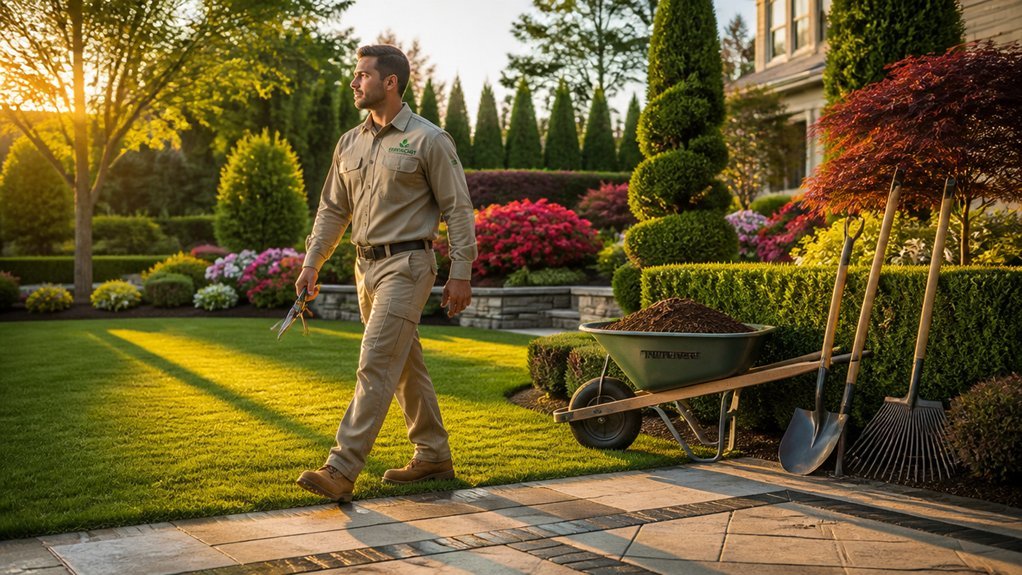
Professional landscapers bring outdoor spaces to life through a diverse range of specialized skills. Their work begins with careful assessment of soil quality, drainage patterns, and sunlight conditions across a property. This groundwork allows them to craft designs that complement both the natural landscape and the homeowner’s vision.
Hardscape installation forms a major part of their craft. These experts build patios, retaining walls, and pathways that anchor the overall design. They also curate plant selections suited to local climates, install efficient irrigation networks, and implement targeted pest management strategies that protect without harming beneficial ecosystems.
Maintenance keeps these outdoor investments thriving across every season. Landscapers handle pruning, fertilization, and timely interventions that preserve both health and visual appeal. Their ongoing care ensures that residential and commercial properties remain inviting spaces throughout the year.
The true value of professional landscaping emerges in the balance between beauty and function. Skilled practitioners merge aesthetic goals with practical considerations, creating environments where people naturally want to gather, relax, and connect with nature.
What Landscapers Do: The Complete Scope
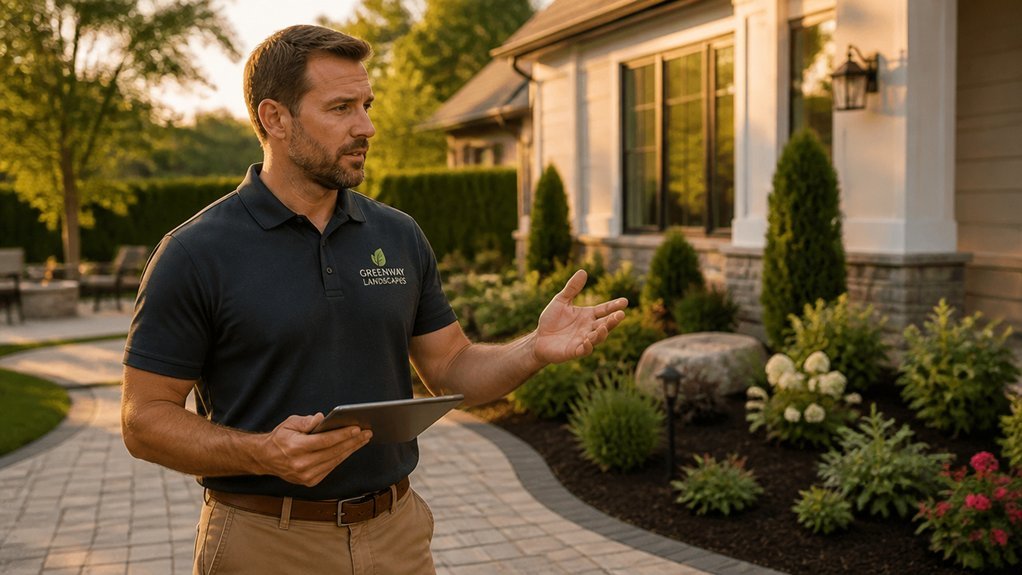
Professional landscapers manage outdoor spaces by designing, installing, and maintaining plants, hardscapes, and lawn areas. They perform tasks including planting trees, shrubs, and flowers, then caring for them through watering, pruning, and fertilizing.
Landscapers also install patios, walkways, and retaining walls using materials like stone and concrete. They operate equipment such as mowers, trimmers, and leaf blowers to maintain grounds.
Many landscapers handle seasonal work, including fall cleanup and spring planting. Some specialize in irrigation systems, ensuring proper water distribution.
Others focus on landscape design, creating detailed plans before installation begins.
Site Assessment and Design Planning
The foundation of any successful landscaping project begins with careful evaluation of the property. Professional landscapers assess soil quality, drainage patterns, sunlight exposure, and existing vegetation during site visits. They measure lot dimensions, identify slopes, and note underground utilities like water lines and electrical cables.
Landscapers then develop detailed design plans incorporating client preferences, budget constraints, and environmental conditions. Designs typically include plant selections, hardscape elements such as patios or walkways, and irrigation systems.
Sketches and digital renderings help clients visualize the proposed layout before construction begins. This planning phase guarantees projects proceed efficiently and meet both functional and aesthetic goals.
Building Hardscaping and Outdoor Structures
Once design plans receive approval, landscapers begin constructing hardscape features that form the structural backbone of outdoor spaces. They build patios from concrete, pavers, or natural stone, creating functional areas for seating and entertaining.
Landscapers also construct retaining walls, walkways, and driveways using materials like brick and gravel. They install outdoor structures including pergolas, decks, and gazebos that provide shade and defined spaces.
These professionals handle proper drainage, grading, and foundation work to guarantee longevity. Skills in masonry, carpentry, and equipment operation are essential for quality hardscape installation.
Planting and Managing Plant Health
After hardscape installation completes, landscapers shift focus to selecting, planting, and maintaining vegetation that thrives in the specific site conditions. They choose appropriate plants based on soil type, sunlight exposure, and climate zone, ensuring long-term survival and minimal maintenance requirements.
Installation involves proper spacing, depth, and soil preparation to establish healthy root systems.
Landscapers monitor plant health through regular watering schedules, mulching applications, and pest management. They prune trees and shrubs to maintain desired shape and encourage growth. Seasonal fertilization and disease prevention represent ongoing responsibilities.
This vegetation management phase directly impacts the landscape’s aesthetic appeal and functionality throughout its lifespan.
Installing and Maintaining Irrigation Systems
Proper plant establishment relies on consistent water delivery, which landscapers address through irrigation system design and installation.
Professionals assess soil type, plant water needs, and site drainage to determine appropriate system placement. They install drip irrigation for garden beds, sprinkler systems for lawns, and soaker hoses for shrubs.
Maintenance tasks include checking for leaks, adjusting spray patterns, cleaning filter screens, and winterizing equipment before freezing temperatures.
Landscapers also program irrigation timers and controllers to deliver water during ideal times, reducing waste while ensuring plant health throughout growing seasons.
How Landscapers Manage Pests and Weeds
Landscapers combat unwanted plants and insects through integrated pest management, combining preventive measures with targeted treatments. They identify problematic species, assess damage levels, and determine appropriate solutions.
Common approaches include manual removal, mulching to suppress weeds, and applying herbicides or insecticides when necessary. Landscapers may introduce beneficial insects, encourage natural predators, or use netting and barriers as physical controls.
Regular monitoring catches infestations early, reducing treatment needs. They consider environmental impact and client preferences when selecting methods.
Professional landscapers stay informed about local regulations, seasonal pest patterns, and new management techniques to maintain healthy landscapes effectively.
Seasonal Care and Year-Round Maintenance
Maintaining landscape health requires adjusting care practices throughout the year, as plants and outdoor spaces have different needs in spring, summer, fall, and winter.
Spring involves soil preparation, seeding, and pruning dormant plants.
Summer demands frequent watering, fertilizing, and mowing lawns regularly.
Fall requires leaf removal, planting perennials, and preparing beds for winter.
Winter maintenance includes protecting plants from frost, clearing snow and ice from walkways, and inspecting irrigation systems for damage.
Professional landscapers adjust their services based on seasonal requirements, ensuring landscapes remain healthy, functional, and visually maintained across all seasons.
Frequently Asked Questions
How Much Does Professional Landscaping Typically Cost for a Residential Property?
Residential landscaping typically ranges from $3,000 to $15,000 annually, depending on property size, design complexity, and regional location. Initial design services may cost $500 to $3,000, while ongoing maintenance contracts vary based on frequency and services required.
What Qualifications and Licenses Should a Professional Landscaper Have?
A professional landscaper should possess a landscape design certification, horticultural knowledge, and liability insurance. Many states require contractor licenses for certain services. Valid driver’s licenses and equipment operation certifications demonstrate competency and reliability to clients.
How Often Should I Hire a Landscaper for Maintenance Services?
Like a garden’s heartbeat, maintenance rhythm varies. Most properties benefit from bi-weekly services during growing seasons, weekly during peak growth. Dormant winter months require less frequent attention. A professional landscaper assesses individual property needs to establish ideal scheduling.
Can Landscapers Help With Outdoor Entertainment Areas Like Patios?
Yes, landscapers possess the expertise to design and construct patios and outdoor entertainment spaces. They select appropriate materials, guarantee proper drainage and grading, and integrate these features seamlessly into the overall landscape design.
What Is the Best Time of Year to Start a Landscaping Project?
Spring and fall represent excellent seasons for landscaping projects. Spring offers perfect growing conditions and moderate temperatures, while fall provides cooler weather and reduced plant stress. Both seasons guarantee successful establishment before extreme summer heat or winter frost arrives.
Conclusion
Professional landscapers handle virtually every outdoor element imaginable, from soil assessment to pest control. They design spaces, install hardscapes like patios, manage plants through seasonal changes, and maintain irrigation systems. Their work combines technical skills with horticultural knowledge, ensuring properties remain functional and visually appropriate year-round. Success depends on understanding soil conditions, drainage requirements, and plant needs specific to each location.