
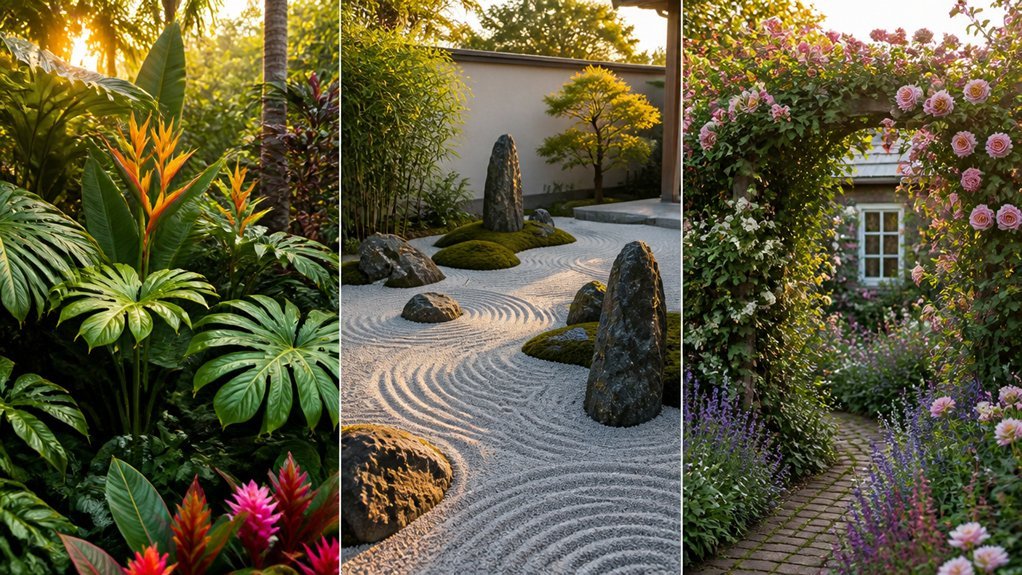
Finding the right landscaping style starts with looking at your home’s architecture. Modern houses naturally complement clean lines, geometric shapes, and minimal plantings. Traditional homes, on the other hand, feel most complete with symmetrical gardens, winding pathways, and classic shrubbery that echoes their timeless character.
Local climate plays an equally important role in shaping outdoor spaces. Desert regions call for drought-resistant plants like succulents and native grasses that thrive with minimal water. Temperate zones offer more flexibility, supporting diverse vegetation from flowering perennials to lush ornamental trees.
Before committing to any design, it’s worth taking time to evaluate how these elements work together. Consider which plants will flourish in your specific conditions and how maintenance requirements fit your lifestyle. This groundwork makes the eventual budget and planning decisions far more straightforward.
Match Your Home’s Architecture to a Landscaping Style
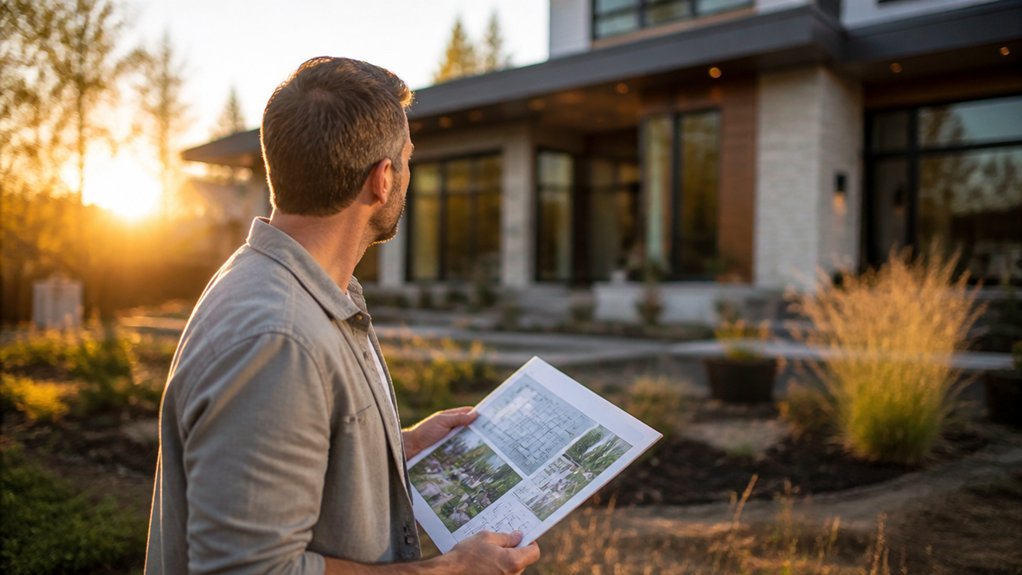
The landscaping style surrounding a home should complement its architectural design, creating a unified appearance on the property.
A modern home pairs well with clean lines, minimalist plantings, and geometric hardscaping elements. Traditional colonial houses benefit from symmetrical gardens, flowering shrubs, and formal pathways.
Mediterranean-style homes work with drought-resistant plants, terracotta features, and curved stone walkways. Rustic farmhouses suit natural stone walls, wildflower beds, and wooden fencing.
Contemporary designs match native plantings, mixed textures, and open spaces.
Matching landscaping to architecture creates visual harmony, increases property appeal, and establishes coherent outdoor environments that reflect intentional design choices and planning.
Choose a Landscaping Style for Your Climate
Climate plays a significant role in determining which landscaping style will thrive on a property. Homeowners in arid regions benefit from xeriscaping, featuring drought-resistant plants like succulents and ornamental grasses.
Tropical climates support lush, dense vegetation, water features, and vibrant flowering plants. Temperate zones accommodate diverse styles, including cottage gardens and modern designs with mixed plantings.
Cold climates require hardy evergreens, native shrubs, and frost-tolerant ground covers. Mediterranean areas suit olive trees, lavender, and stone pathways. Desert regions incorporate cacti, rocks, and minimal water usage.
Selecting plants and materials suited to local temperature, rainfall, and soil conditions guarantees landscape sustainability and reduces maintenance demands over time.
5 Landscaping Styles and When to Use Each
Five primary landscaping styles exist, each suited to different property characteristics, homeowner preferences, and environmental conditions.
Contemporary designs feature clean lines, minimalist plantings, and hardscaping materials like concrete and steel.
Traditional styles incorporate symmetry, formal gardens, and classic plants such as boxwoods and roses.
Mediterranean landscapes use drought-tolerant plants, stone pathways, and warm color palettes suitable for dry climates.
Japanese designs emphasize balance, water features, rocks, and carefully pruned plants.
Cottage styles blend flowers, herbs, and informal arrangements creating abundant, naturalistic spaces.
Homeowners should select styles matching their climate zone, maintenance capacity, budget constraints, and aesthetic preferences when planning landscape improvements.
Estimate Your Seasonal Maintenance Commitment
Because different landscaping styles require varying levels of care throughout the year, homeowners must honestly assess their available time and energy before committing to a particular design.
Formal gardens demand weekly weeding, pruning, and fertilizing. Natural landscapes require seasonal debris removal and occasional thinning. Xeriscaping needs minimal watering but demands initial setup effort. Mediterranean styles involve regular deadheading and pest management. Desert themes require sparse maintenance once established.
Homeowners should consider their climate, existing schedule, and physical capabilities.
Spring and fall typically demand concentrated effort across most styles. Winter and summer maintenance varies greatly by region and plant selection.
Design Your Hardscape and Plant Layout
Once a homeowner has settled on a maintenance schedule that fits their lifestyle, the next step involves planning the physical layout of hardscape elements and plants.
Hardscape components include patios, pathways, retaining walls, and decking, which provide structure and define spaces.
Plants should be positioned according to their sunlight requirements, mature size, and water needs. A typical layout places taller shrubs and trees toward the back, with shorter plants in front for visibility.
Pathways connect functional areas like entryways and seating zones.
Grouping plants by water requirements simplifies irrigation management.
Creating zones for different purposes, such as entertaining or gardening, establishes a cohesive design that aligns with the chosen landscaping style.
Budget for Your Landscaping Upgrade
Financial planning forms the foundation of any successful landscaping project. Homeowners should establish a realistic budget before selecting materials, plants, or hiring contractors.
Common expenses include soil, mulch, pavers, shrubs, trees, and labor costs. A modest budget might accommodate basic plantings and simple hardscaping, while larger investments enable water features, extensive stonework, or premium plant varieties.
Obtaining multiple contractor quotes helps compare pricing and services. Prioritizing high-impact elements, such as front entrance improvements or patio installations, allows phased implementation over time.
Setting aside contingency funds for unexpected expenses protects against budget overruns during construction.
Source Plants and Materials for Your Design
Many homeowners source plants and materials from various suppliers, each offering different selections and price points. Local nurseries provide native plants suited to regional climates, while big-box stores offer competitive pricing on common varieties.
Landscape supply companies stock bulk materials like mulch, stone, and soil amendments. Online retailers deliver specialty plants directly to homes.
Homeowners should compare costs across suppliers, verify plant health before purchasing, and confirm delivery options. Selecting appropriate materials requires matching them to the chosen landscape style, soil conditions, and maintenance capacity.
Shopping strategically reduces expenses while ensuring quality plants and materials for the design.
Frequently Asked Questions
How Do I Choose Between Hiring a Professional Landscaper Versus Doing It Myself?
One should evaluate their budget, time availability, and skill level. Hiring professionals guarantees quality results and saves time, while DIY landscaping reduces costs but demands significant effort and knowledge for successful outcomes.
What Permits or HOA Approvals Might I Need Before Starting Landscaping Work?
Homeowners should check local zoning laws requiring permits for major projects like tree removal or construction. Many HOAs mandate written approval before landscaping changes. Contacting the municipality and reviewing HOA guidelines prevents costly delays.
How Long Does It Typically Take to See Mature Growth in New Plantings?
Like waiting for a telegram in today’s world, patience proves essential when cultivating landscapes. Most shrubs and trees require three to five years for mature growth, though smaller perennials establish within one to two seasons, depending on species and soil conditions.
Can I Implement My Landscaping Design Gradually Over Multiple Seasons?
Yes, homeowners can implement landscaping designs gradually across multiple seasons. This phased approach allows budgeting flexibility, permits soil adjustment time, and enables refinement based on plant performance and seasonal changes before completing the full vision.
How Do I Protect Newly Landscaped Areas From Pet Damage and Foot Traffic?
Like a delicate seedling requiring careful nurturing, newly landscaped areas need strategic protection. Installing temporary fencing barriers, applying pet-deterrent sprays, and creating designated pathways redirect foot traffic effectively. Mulch layers and sturdy plant selections further safeguard vulnerable zones from damage.
Conclusion
Homeowners who align their landscaping with both architectural style and climate report 23% higher property satisfaction. Selecting appropriate plants, materials, and hardscape elements creates functional outdoor spaces requiring manageable maintenance. The process involves matching design choices to home features, environmental conditions, and budget constraints. Implementing these considerations guarantees landscapes remain attractive, sustainable, and practical for years to come.