
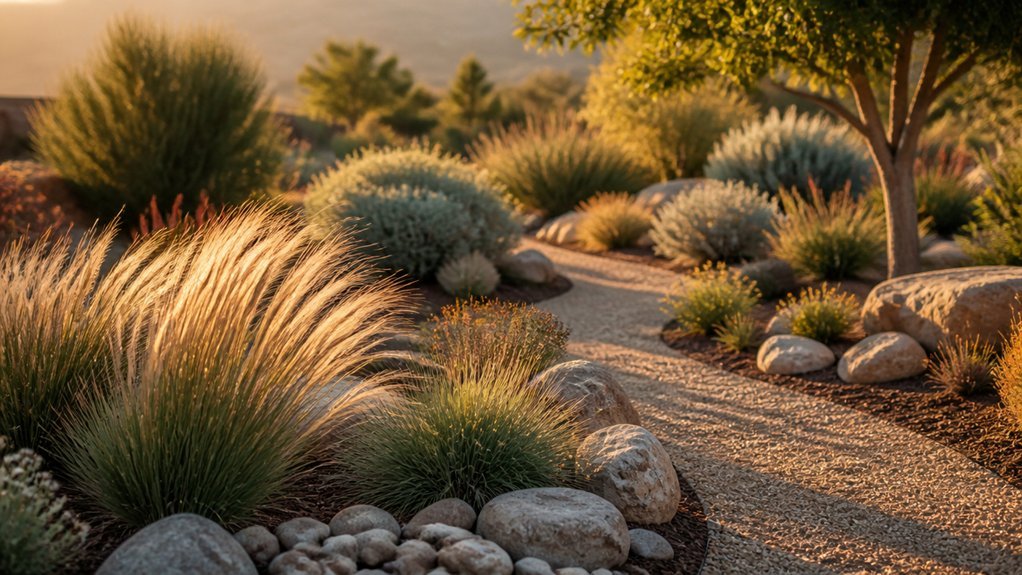
A low-maintenance landscape starts with smart choices from day one. Native plants such as black-eyed Susans and coneflowers thrive with minimal intervention. They require far less water and attention than exotic alternatives.
Grouping plants strategically makes a real difference. Cluster those with similar water needs together to simplify irrigation. A thick layer of mulch keeps weeds down and moisture locked in where it belongs.
Some upgrades pay off for years to come. Smart irrigation systems with soil sensors adjust watering automatically. Ground covers in select spots remove the need to mow entirely.
Every yard presents its own challenges and advantages. Matching the right strategies to your specific conditions determines whether your landscape truly becomes effortless to maintain.
Start With Native Plants for a Low-Maintenance Landscape
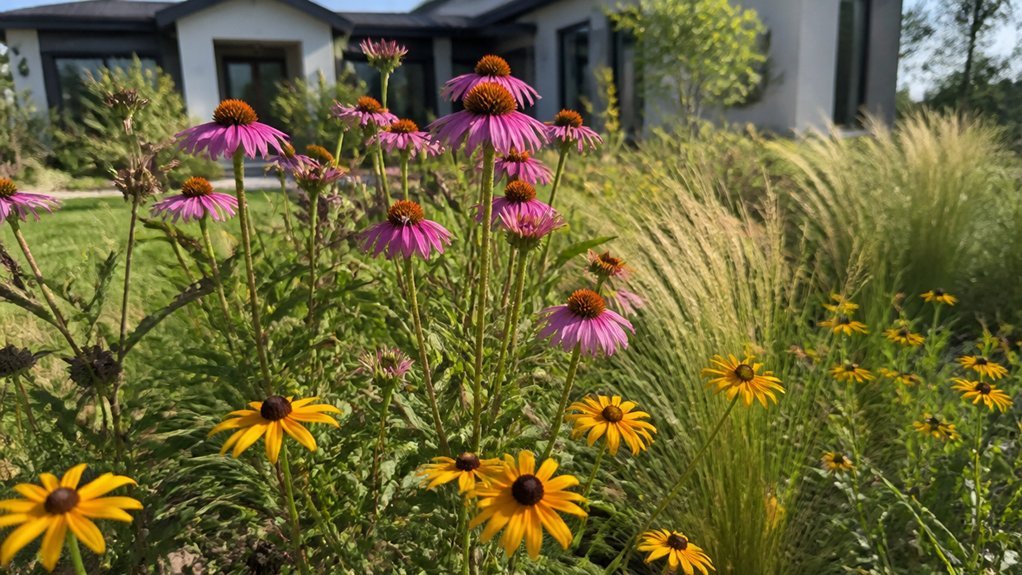
Native plants, which grow naturally in a specific region, require less water, fertilizer, and pest control than non-native species. These plants adapt to local climate conditions, soil types, and rainfall patterns, making them inherently efficient.
Examples include black-eyed Susans, coneflowers, and native grasses in temperate zones.
Selecting native plants reduces maintenance costs and time spent on upkeep. They also support local wildlife, including pollinators and birds that depend on native vegetation.
When planning a landscape, consult regional native plant lists or local nurseries to identify appropriate species for your specific area and soil conditions.
Group Plants by Water and Sunlight Needs
Strategic organization of plants based on their environmental requirements reduces unnecessary maintenance and improves landscape health. Grouping plants by similar water needs prevents overwatering drought-tolerant species or underwatering thirsty plants.
Sunlight requirements vary notably: shade-loving hostas and ferns differ from sun-demanding ornamental grasses and coneflowers. Creating distinct zones based on these factors allows targeted irrigation and appropriate placement. For example, clustering water-intensive plants near downspouts and positioning drought-resistant varieties in full-sun areas minimizes effort.
This organization also simplifies fertilizing, pruning, and pest management tasks, since similar plants often share comparable care schedules and vulnerabilities.
Design Low-Maintenance Hardscaping to Cut Watering
Hardscaping, the use of non-living materials like stone, mulch, gravel, and pavers, reduces landscape watering needs while defining outdoor spaces. Stone pathways, decorative rocks, and gravel beds require no irrigation, unlike turf grass.
Mulch conserves soil moisture by reducing evaporation around plant bases. Permeable pavers allow water drainage while minimizing runoff.
Hardscape features also decrease overall landscape area requiring regular watering. Combining hardscape materials with drought-tolerant plants creates efficient outdoor environments.
Strategic placement of patios, borders, and ground covers reduces maintenance demands considerably. This approach yields lower water bills and decreased seasonal upkeep.
Install Smart Irrigation Systems
Smart irrigation systems automatically adjust watering schedules based on weather conditions, soil moisture levels, and plant types. These systems use sensors to detect rainfall, temperature, and ground moisture, reducing water waste considerably.
Smart controllers can be programmed for different zones, allowing customized watering for lawn areas, shrub beds, and garden sections.
Drip irrigation paired with smart timers delivers water directly to plant roots, minimizing evaporation. Popular systems include Rainbird, Hunter, and Orbit models. Installation typically requires professional help for main line connections, though timer setup remains straightforward.
These systems reduce water bills considerably while maintaining healthy landscaping with minimal user intervention.
Use Mulch to Block Weeds Without Extra Work
Mulch serves as a practical complement to automated watering systems, offering ground coverage that reduces weed growth while conserving soil moisture.
Wood chips, bark, and shredded hardwood are common mulch types suitable for most landscapes.
A two-to-four-inch layer blocks sunlight, preventing weed seeds from germinating. Organic mulches break down gradually, improving soil structure over time.
Homeowners should apply mulch around trees, shrubs, and garden beds, keeping it several inches from plant stems to prevent rot.
Replenishing mulch annually maintains effectiveness. This approach considerably decreases weeding requirements, lowering overall landscape maintenance demands.
Choose Ground Covers for Low-Maintenance Yards
Ground covers offer an alternative to traditional lawn grass, reducing mowing and maintenance while filling landscape spaces effectively. Popular options include creeping thyme, sedum, and clover, which require minimal watering and care once established. These plants spread horizontally, suppressing weeds naturally and eliminating the need for frequent trimming.
Ground covers work well on slopes, between pavers, and under trees where grass struggles to grow. Selection depends on climate, sunlight conditions, and soil type. Sedums thrive in dry areas, while shade-tolerant varieties like ajuga perform better under tree canopies.
Proper spacing during initial planting guarantees faster coverage and reduced establishment time.
Automate Your Low-Maintenance Landscape With Timers
Installing irrigation timers reduces watering effort while ensuring plants receive consistent moisture on a set schedule. Homeowners can program timers to deliver water during early morning or evening hours, minimizing evaporation and plant stress.
Battery-operated or electric models attach directly to outdoor faucets, controlling soaker hoses, sprinklers, and drip irrigation systems. Smart timers adjust watering based on weather conditions and soil moisture levels, preventing overwatering.
Digital displays allow users to set frequency, duration, and start times. Wireless options connect to smartphones for remote management.
Timers eliminate daily manual watering tasks, making landscape maintenance markedly easier while promoting healthier plant growth.
Frequently Asked Questions
How Much Does a Low-Maintenance Landscape Cost to Install Initially?
Installation costs typically range from $3,000 to $15,000 for an average residential yard, depending on property size, soil conditions, and material choices. Hardscaping elements and native plants represent the primary expenses in establishing a low-maintenance landscape design.
What Is the Best Time of Year to Redesign an Existing Landscape?
Like a ship steering through seasonal tides, landscape redesign thrives best in spring or fall when temperatures moderate. These seasons provide ideal conditions for plant establishment and soil work, allowing roots to settle before extreme summer heat or winter frost arrives.
Can Low-Maintenance Landscapes Attract Wildlife Like Pollinators and Birds?
Yes, low-maintenance landscapes can effectively attract pollinators and birds. Native plants require minimal care while providing essential food sources and shelter. Strategic placement of water features and natural elements creates ideal habitats for wildlife without demanding extensive upkeep.
How Do I Transition My Current High-Maintenance Yard Gradually?
Like peeling an onion, homeowners should gradually replace high-maintenance areas in phases. Start by converting one section annually, replacing thirsty plants with drought-tolerant species, adding mulch, and reducing lawn sizes. This measured approach prevents overwhelming changes.
Are Low-Maintenance Landscapes Suitable for All Climate Zones?
Low-maintenance landscapes can be adapted for most climate zones through careful plant selection. However, extreme climates require specialized approaches. Designers should choose native species suited to local conditions, ensuring sustainability and reduced upkeep regardless of geographic location.
Conclusion
Planning a purposeful, plant-forward landscape produces predictable, practical results. Native plants paired with proper placement reduce resource requirements markedly. Hardscaping, smart sensors, and strategic spacing streamline system success. Mulch manages moisture matters while minimizing maintenance demands. Ground covers curtail cutting chores considerably. Timers take task management from homeowners entirely. This thoughtful, tiered technique transforms yards into sustainable spaces requiring minimal ongoing effort.