
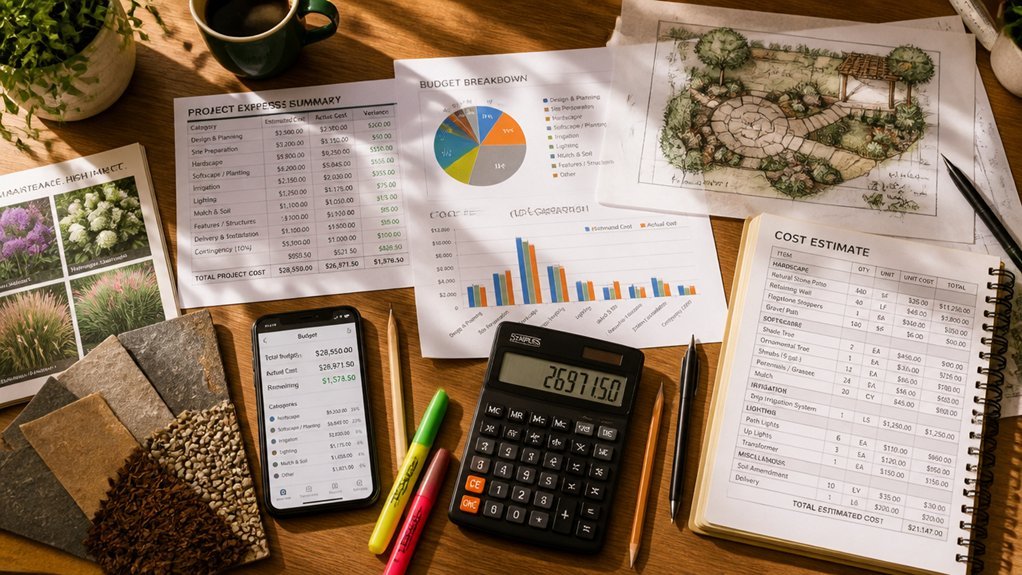
Creating a landscaping budget starts with getting clear on what you actually want to achieve. Some homeowners dream of expansive stone patios and outdoor kitchens, while others simply need to replace dying shrubs or fix drainage issues. Pin down your priorities before looking at price tags.
Once your goals are set, research becomes essential. Gather at least three quotes from reputable contractors, breaking down labor versus materials in each estimate. Prices often fluctuate with the seasons, so timing your project strategically can stretch your dollars further. Always build in a 10-20% contingency—surprises like hitting bedrock or discovering old utility lines are more common than you’d think.
The hardest part often involves deciding what to fund now versus later. That water feature might look stunning, but grading your yard to prevent flooding could save thousands in repairs down the road. Smart budgeting means balancing immediate needs with the vision you hope to grow into over time.
Assess Your Project Scope and Goals
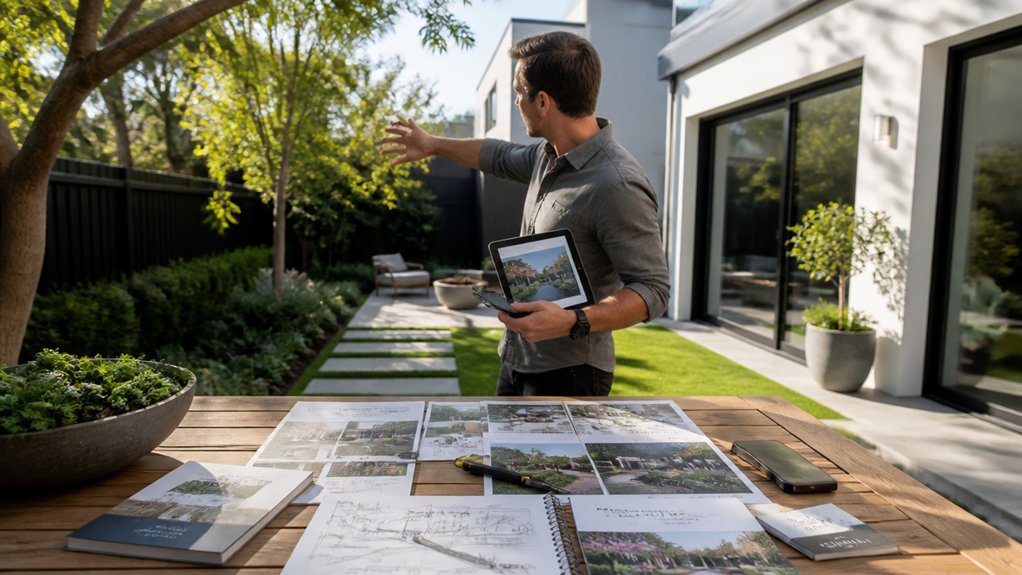
Before budgeting for landscaping work, homeowners must define what they want to accomplish. This means identifying specific projects, such as adding a patio, planting trees, installing irrigation systems, or removing existing features. Homeowners should consider the project’s size, location, and timeline. A small flower bed costs less than a complete yard overhaul.
They should also think about whether work happens all at once or in phases. Listing priorities helps. Some projects, like drainage fixes, may take precedence over aesthetic improvements.
Clear goals prevent overspending and guarantee the budget aligns with actual needs and available resources.
Set Your Total Budget and Timeline
Once homeowners understand their project scope and priorities, they can assign a realistic dollar amount to their landscaping work. Setting a total budget requires examining available funds, considering financing options, and determining acceptable spending limits.
Homeowners should establish a timeline, accounting for seasonal planting windows, contractor availability, and project phases. A three-month timeline suits smaller projects like mulching or plant installation.
Larger projects involving hardscaping, irrigation systems, or tree removal may require six to twelve months.
Breaking expenses across multiple seasons can reduce upfront costs. Clear budget and timeline boundaries help contractors provide accurate estimates and prevent scope creep.
Research Local Landscaping Prices and Get Quotes
Obtaining multiple quotes from local landscapers provides essential data for comparing costs, services, and contractor reliability. Homeowners should contact at least three to five landscaping companies, requesting detailed estimates for their specific project needs. These quotes should itemize labor, materials, equipment, and timeline separately.
Comparing prices across contractors reveals market rates, helping identify unusually high or low bids. Quotes also clarify what services are included, such as soil preparation, plant selection, or maintenance plans.
Reviewing contractor credentials, past projects, and customer references alongside pricing guarantees informed decision-making. This research phase establishes realistic budget expectations before committing funds to landscaping work.
See What Each Part Will Cost
Breaking down landscaping costs into individual components allows homeowners to understand where money goes and identify areas for adjustment.
Typical expenses include labor, materials, and equipment rental.
Labor usually represents the largest portion, often fifty to seventy percent of the total budget. Materials encompass soil, mulch, plants, and hardscape supplies like stone or pavers.
Equipment rental covers machinery needed for grading, excavation, or debris removal.
Additional costs might include design fees, permits, and drainage solutions.
Separating these categories helps prioritize spending and compare contractor quotes more effectively, ensuring informed financial decisions.
Build in Contingency Buffers for Hidden Costs
Most landscaping projects encounter unexpected expenses that weren’t visible during the initial planning stage. Hidden costs arise from soil problems, underground utilities, weather delays, or design changes.
Experts recommend adding 10-20% to the total budget as a contingency buffer. For example, a $10,000 project should reserve $1,000-$2,000 for surprises.
Common hidden expenses include removing large rocks, installing drainage systems, or treating pest infestations.
Setting aside emergency funds prevents projects from stalling midway. This buffer protects against cost overruns without requiring additional loans or delayed completion dates.
Choose Which Features Matter Most (and Which Can Wait)
When should homeowners prioritize certain landscape elements over others? Determining priorities depends on budget constraints and personal needs.
Essential features like drainage systems, foundational plantings, and hardscaping typically warrant immediate investment, as they prevent property damage and establish the landscape structure.
Secondary elements such as decorative plants, water features, and outdoor lighting can be phased in gradually.
Homeowners should assess which features provide the most functional value first, then allocate remaining funds to aesthetic enhancements.
This tiered approach allows for strategic spending, preventing overspending on nonessential items while ensuring the landscape foundation remains solid and sustainable long-term.
Monitor Spending and Adjust Your Plan
After establishing priorities and allocating funds across landscape features, homeowners must track actual expenses against their original budget plan. Regular monitoring prevents overspending on items like mulch, plants, or hardscape materials. Homeowners should record each purchase, comparing costs to initial estimates.
If expenses exceed projections in certain areas, adjustments become necessary. Reducing costs elsewhere, such as delaying non-essential features or selecting less expensive plant varieties, helps maintain overall budget limits.
Quarterly reviews of spending patterns enable timely corrections. This systematic approach guarantees landscaping projects remain financially manageable while achieving desired outdoor improvements.
Frequently Asked Questions
How Do Seasonal Changes Affect Landscaping Project Costs and Timelines?
Seasonal variations greatly impact landscaping expenses and schedules. Winter increases material costs and labor rates while reducing availability. Spring and fall offer ideal conditions and competitive pricing. Summer demands peak pricing but provides extended working hours for project completion.
What Financing Options Are Available for Large Landscaping Projects?
Large landscaping projects can be financed through personal savings, home equity loans, lines of credit, contractor payment plans, landscaping-specific financing companies, or bank loans. Homeowners should compare interest rates and terms to select the most suitable option.
How Often Should Landscaping Maintenance Be Budgeted Annually?
Landscaping maintenance should be budgeted quarterly or seasonally, typically four times annually. Most properties benefit from spring cleanup, summer upkeep, fall preparation, and winter protection services to maintain ideal landscape health and appearance throughout the year.
Can I Negotiate Prices With Multiple Landscaping Contractors?
Yes, property owners can negotiate prices with multiple landscaping contractors. Obtaining competitive bids from several companies allows them to compare rates and services. Contractors often provide discounts for long-term contracts or bundled services, enabling clients to secure better pricing.
What Permits or Legal Fees Might Impact My Budget?
Like invisible anchors weighing down a ship, permits and legal fees silently drain budgets. One must account for grading permits, tree removal licenses, and contractor bonds. These bureaucratic requirements typically consume 5-15% of total project costs.
Conclusion
Creating a landscaping budget requires planning, yet most homeowners spend money anyway without one. They gather quotes, set totals, and build contingency buffers, only to ignore their plan during project execution. The irony remains: those who meticulously budget typically overspend, while those who skip planning sometimes stay within limits by accident. Regardless of approach, monitoring spending and adjusting priorities throughout the project determines actual financial outcomes.