
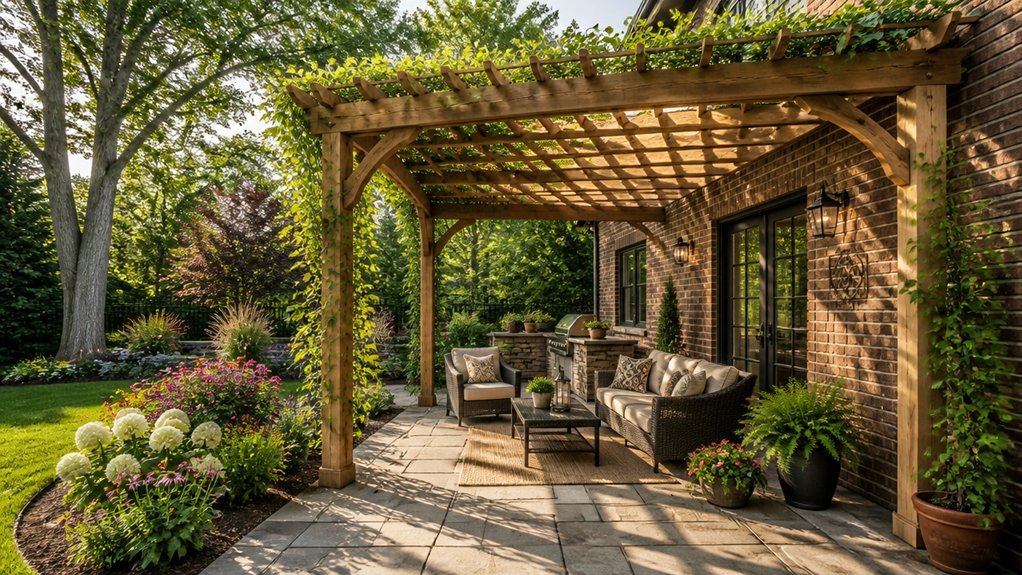
Finding the ideal spot for a pergola starts with mapping how you actually use your outdoor space. Many homeowners gravitate toward patios, where the structure creates an intimate ceiling for dinner parties and evening conversations. This placement anchors your entertaining area and extends its usability through shifting seasons.
Garden pathways offer another compelling option, transforming a simple walkway into a destination. Positioned thoughtfully, a pergola draws the eye forward and invites slower movement through your landscape. Climbing roses or wisteria can eventually drape across the beams, turning a functional passage into something genuinely enchanting.
Poolside installations address a practical need while elevating the entire area’s sophistication. The filtered shade protects swimmers from harsh midday sun without blocking cooling breezes. Nearby property lines also present opportunities for privacy screening, especially when paired with strategic plantings or fabric panels.
Consider sight lines from indoor windows and existing seating arrangements before committing to placement. A pergola frames views as effectively as it creates them, so orienting the structure toward a garden focal point or away from neighboring homes can dramatically shift how the space feels. The best location ultimately honors both your daily routines and your property’s unique character.
Choose a Pergola Location Based on Your Outdoor Goals
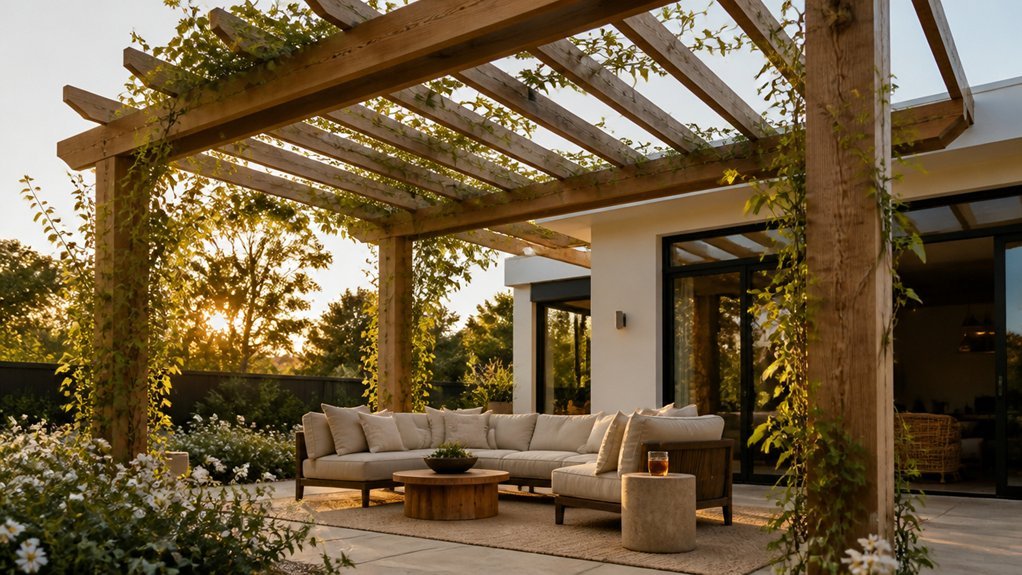
Where should a pergola be placed? The location depends on what the homeowner wants to accomplish outdoors.
Someone who enjoys reading might position a pergola near a quiet corner, creating a shaded retreat. A person hosting gatherings could place one over a patio, providing shelter for entertaining guests.
Those seeking privacy might install a pergola along a property line, screening the yard from neighbors. Garden enthusiasts could position one near flower beds, allowing climbing vines to flourish.
The best location balances sun exposure, existing landscape features, and intended use, ensuring the pergola serves its primary purpose effectively.
Create Shade Over a Patio With a Pergola
One of the most practical applications for a pergola involves positioning it directly over an existing patio space. This placement provides filtered sunlight, reducing heat while maintaining some natural light for outdoor activities.
A pergola installed above a concrete or stone patio creates a defined entertaining area, perfect for dining or relaxation. The structure offers protection from UV rays without completely blocking visibility or airflow.
Homeowners can enhance shade coverage by adding retractable fabric panels or climbing vines like clematis or jasmine. This configuration transforms a basic patio into a versatile outdoor room suitable for year-round use.
Line Your Fence With a Pergola to Define Space
Installing a pergola along a fence line creates a clear boundary between outdoor spaces while adding vertical interest to a yard. This placement works well for separating garden areas, defining entertaining zones, or screening views from neighbors.
Pergolas paired with fences provide structural support and stability for climbing plants like clematis, ivy, or jasmine. The combination establishes visual divisions without completely blocking sight lines or airflow.
Materials such as wood or vinyl coordinate with existing fence styles. Proper spacing between fence and pergola allows adequate room for plant growth and maintenance access. This strategic positioning maximizes both function and aesthetic appeal.
Build a Pergola Entrance Along a Garden Pathway
A pergola positioned at the entrance of a garden pathway creates a welcoming juncture point while framing the route ahead.
Installing one at this location establishes a clear shift between outdoor spaces, whether between a patio and garden beds or a driveway and backyard area. The structure naturally directs foot traffic along the intended path.
Vines like clematis or climbing roses can be trained over the pergola, providing shade and visual interest.
The entrance pergola also serves practical purposes, offering a focal point for landscape design while defining boundaries without requiring a full fence installation.
Install a Pergola Over a Seating Area for Views
Positioning a pergola above a seating area provides both shade and a structured frame for scenic vistas.
A deck or patio becomes an enhanced outdoor living space when covered by a pergola, creating filtered sunlight and visual interest.
Installing one near garden views, water features, or landscape focal points maximizes the viewing experience. The structure’s lattice design allows climbing vines, which add natural beauty and additional shade.
Homeowners should consider sightlines from the seating position, ensuring the pergola frame complements rather than obstructs desirable views.
Placement on elevated terrain or hillside locations further enhances panoramic sight opportunities. This configuration transforms ordinary seating into a purposeful observation point.
Position a Pergola Near Your Pool for Shade
When positioned near a swimming pool, a pergola offers practical shade benefits for lounging areas and pool decks. The structure reduces direct sunlight exposure, lowering surface temperatures and creating comfortable spots for relaxation.
Pergolas placed adjacent to pools provide relief from UV rays, protecting skin during extended outdoor time. The open slat design allows air circulation, preventing heat buildup while maintaining visibility of swimmers.
Materials like vinyl or treated wood withstand moisture and chlorine exposure effectively. Strategic placement between the pool and house creates a connecting shaded zone, enhancing overall yard functionality and usability.
Attach a Pergola to Your Home’s Exterior
Attaching a pergola directly to a home’s exterior wall creates a seamless connection between indoor and outdoor spaces. This placement offers several practical advantages. The structure provides shade for patios, decks, or entryways while protecting siding from weather exposure.
Installation requires securing the pergola to the home’s framing, not just surface materials. Homeowners should verify local building codes and obtain permits before construction.
Attached pergolas work well with climbing vines, creating natural cooling effects.
Consider roof overhangs, gutter placement, and drainage patterns when positioning the structure.
Professional installation guarantees proper attachment and prevents structural damage to the home’s exterior.
Frequently Asked Questions
What Permits or Building Codes Do I Need Before Installing a Pergola?
Building permits and code requirements for pergolas vary by location. Homeowners should contact their local building department to determine setback distances, height restrictions, and foundation specifications. Most jurisdictions require permits for permanent structures exceeding certain dimensions.
How Much Does It Cost to Build or Install a Pergola?
Building a pergola can drain one’s wallet faster than water through a sieve, ranging wildly from a modest $1,500 to a jaw-dropping $5,000 or beyond. Labor, materials, and size dramatically influence the final price tag homeowners face.
What Materials Are Best for Durability and Low Maintenance Pergolas?
Aluminum and vinyl offer superior durability and minimal maintenance requirements. These materials resist weathering, rot, and insect damage. Composite wood alternatives provide aesthetic appeal while eliminating painting or staining needs. Pressure-treated lumber remains affordable but requires periodic maintenance.
How Long Does a Pergola Typically Last Before Needing Replacement?
A pergola typically lasts 15-20 years with proper maintenance. However, high-quality materials like cedar or composite structures can extend durability to 25-30 years. Regular inspections and treatments greatly influence longevity and replacement timelines.
Can I Install a Pergola Myself or Should I Hire Professionals?
Like a ship sailing through uncharted waters, pergola installation depends on one’s skill level. Homeowners with carpentry experience can install pergolas themselves, though professionals guarantee structural integrity, proper permits, and faster completion. Assess personal abilities before deciding.
Conclusion
Homeowners often worry that pergolas require constant maintenance and won’t withstand weather conditions. However, modern pergola designs, built from durable materials like aluminum or treated wood, need minimal upkeep. Positioned strategically in yards—over patios, near pools, or along pathways—pergolas provide immediate functional benefits. Whether enhancing privacy, creating shade, or defining entertaining spaces, a well-placed pergola delivers practical value for years.