
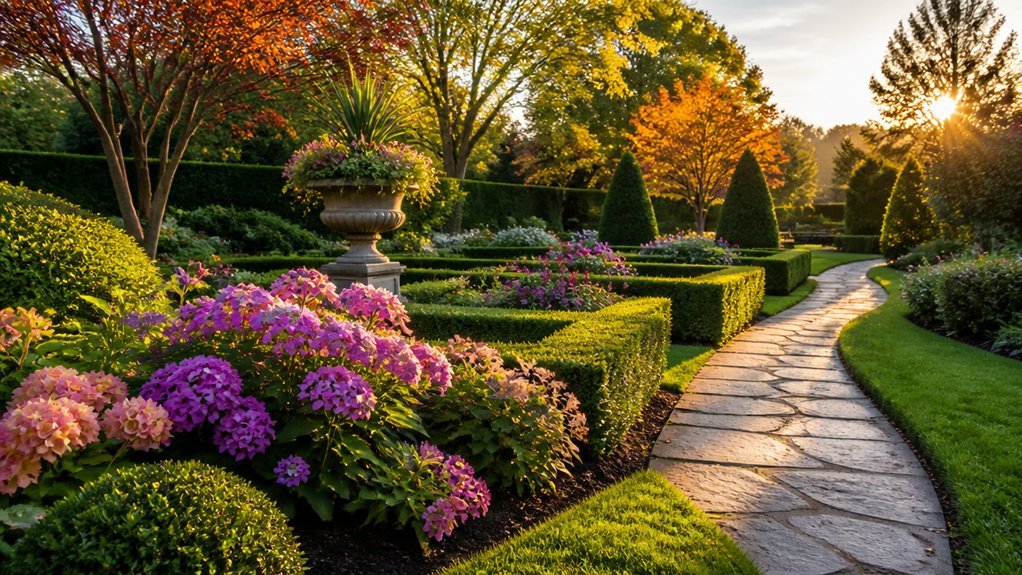
Keeping a landscape healthy isn’t about following one rigid calendar. Different tasks demand different rhythms, and what works in one yard might fail in another. Weekly chores like mowing and watering form the backbone of routine care. Monthly jobs such as weeding and edging keep everything looking intentional rather than overgrown.
Climate shapes these schedules more than most people realize. Hot, dry regions often need more frequent irrigation but less mowing during peak summer. Cooler, wetter areas might see explosive growth that demands faster response times. Seasonal shifts also rewrite the rules—spring calls for fertilizing and planting, while autumn focuses on cleanup and preparation for dormancy.
Plant maturity adds another layer of complexity. Young trees and shrubs need more frequent monitoring and gentler pruning to establish strong structure. Established perennials and mature landscapes generally require less intervention, though deep care like aeration or soil amendment becomes more critical over time. The real skill lies in reading these signals and adjusting accordingly.
How Climate and Plant Age Change Your Timeline
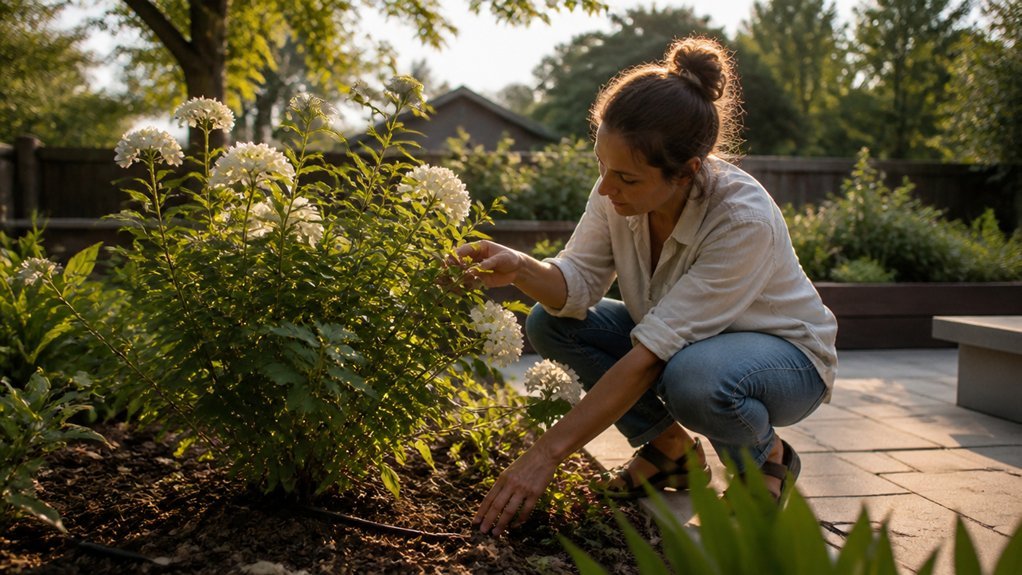
Because different regions experience distinct weather patterns, maintenance schedules vary markedly across locations. Hot, dry climates require more frequent watering and mulching, while cooler regions need less irrigation.
Plant age significantly impacts maintenance frequency as well. Newly planted trees and shrubs demand weekly watering during their first year, establishing root systems. Mature plants, established for three or more years, tolerate longer intervals between maintenance tasks.
Young landscapes need regular pruning to shape growth patterns, whereas older plantings require less frequent trimming.
Regional rainfall, temperature fluctuations, soil type, and plant maturity all determine the appropriate maintenance schedule for any property.
Weekly Landscape Maintenance: Mowing and Watering
Weekly maintenance tasks form the backbone of landscape care, with mowing and watering serving as the two most frequent responsibilities.
Mowing frequency depends on grass type and season, typically occurring every seven to ten days during growing periods. Cool-season grasses require mowing from spring through fall, while warm-season varieties need attention during summer months.
Watering schedules vary considerably based on soil type, rainfall, and plant species. Most lawns require one to two inches weekly, delivered through irrigation systems or manual watering.
Early morning watering reduces evaporation and fungal issues. Established plants need less frequent watering than newly planted varieties.
Monthly Tasks: Weeding, Deadheading, and Cleanup
Monthly landscape maintenance shifts focus from frequent watering and mowing to tasks that control unwanted plants and promote healthy growth.
Weeding removes competitive plants from garden beds and around trees, preventing nutrient loss. Deadheading, the removal of spent flowers from plants like roses and coneflowers, encourages continued blooming and maintains appearance.
Cleanup involves clearing fallen leaves, removing dead branches, and tidying mulch areas. These tasks prevent pest habitats, reduce disease spread, and keep landscapes organized.
Regular monthly attention to these areas maintains plant health, improves aesthetic appeal, and establishes manageable maintenance routines throughout growing seasons.
Seasonal Pruning by Plant Type
Pruning techniques vary considerably across plant categories, with each type requiring specific timing and methods for ideal results.
Deciduous trees, including oaks and maples, benefit from late winter pruning when dormant. Evergreens like junipers and spruces need pruning in early spring.
Flowering shrubs such as lilacs and hydrangeas require pruning immediately after blooming to avoid removing next season’s flower buds.
Roses demand regular pruning during active growth periods. Hedges need frequent trimming throughout the growing season for shape maintenance.
Fruit trees require dormant season pruning for productivity. Understanding plant-specific requirements guarantees healthy growth and proper structure development.
Spring and Fall Deep Maintenance
Beyond regular seasonal pruning, landscapes require extensive maintenance cycles that address accumulated issues and prepare plants for dormant periods.
Spring deep maintenance involves removing winter damage, clearing debris from beds, and aerating soil around shrubs and trees.
Fall deep maintenance focuses on leaf removal, mulch replenishment, and final fertilizer applications before winter dormancy.
Both seasons demand attention to irrigation systems, checking for leaks or clogs.
Deadheading spent flowers, dividing overgrown perennials, and treating disease problems occur during these intensive periods.
These extensive maintenance sessions prevent pest infestations, improve plant health, and establish strong foundations for the upcoming growing season or winter survival.
Fertilizing and Soil Care Schedule
Soil quality and nutrient levels require consistent attention throughout the growing season, with fertilizer applications timed to match plant growth cycles and seasonal needs. Early spring applications support new growth, while summer applications maintain vigor during peak heat. Fall feeding strengthens roots before winter dormancy.
Soil testing, performed every two to three years, reveals nutrient deficiencies and pH imbalances. Nitrogen promotes leaf growth, phosphorus supports root development, and potassium enhances overall plant health.
Organic matter amendments, including compost and mulch, improve soil structure and water retention. Applying one to two inches of mulch annually prevents erosion and regulates soil temperature.
Build Your Custom Maintenance Calendar
How can property owners organize multiple landscape tasks into a workable schedule? A custom maintenance calendar assigns specific duties to seasons and months, preventing oversight and reducing emergency repairs.
Property owners should list all tasks: mowing, fertilizing, pruning, and mulching. Next, they determine frequency for each task, considering local climate and plant types.
Spring requires lawn aeration and tree pruning; summer demands regular mowing and watering; fall involves leaf removal and planting; winter focuses on equipment maintenance.
Digital calendars, spreadsheets, or printed charts help track deadlines. This systematic approach guarantees nothing gets forgotten while managing time and budget effectively throughout the year.
Frequently Asked Questions
How Much Does Professional Landscape Maintenance Typically Cost per Month?
Professional landscape maintenance typically costs between $100 to $300 monthly, depending on property size, location, and service frequency. Residential properties generally fall toward the lower end, while larger estates command premium rates. Seasonal variations may affect pricing.
What Equipment Do I Need to Maintain My Landscape Myself?
Studies show homeowners spend approximately 40 hours annually on yard work. Essential equipment includes a lawnmower, string trimmer, hedge clippers, rake, shovel, and pruning shears. Investing in quality tools guarantees efficient, professional-looking results while reducing overall maintenance time and effort.
Can I Hire Someone to Maintain My Landscape Year-Round?
Yes, hiring a professional landscaping service for year-round maintenance is entirely possible. Many companies offer seasonal packages covering lawn care, pruning, mulching, and seasonal cleanup. This approach eliminates personal effort while ensuring consistent landscape health and appearance throughout the year.
How Do I Know if My Landscape Needs More Frequent Maintenance?
One might wonder what mysterious indicators reveal an overtaxed landscape. Overgrown weeds, browning patches, pest infestations, and unruly plant growth signal increased maintenance needs. Professional assessment determines ideal frequency for individual properties.
What Happens if I Skip Landscape Maintenance for Several Months?
Skipping landscape maintenance for several months allows weeds to proliferate, grass to become overgrown and patchy, and plant health to deteriorate. Pest infestations increase, soil compaction worsens, and overall property aesthetics decline markedly, requiring more extensive—and costly—restoration efforts.
Conclusion
Maintaining a landscape requires consistent effort across weekly, monthly, and seasonal tasks. As the saying goes, an ounce of prevention is worth a pound of cure. Regular mowing, watering, weeding, and pruning prevent larger problems later. Climate and plant age determine specific schedules. A customized maintenance calendar, accounting for local conditions and plant types, guarantees year-round landscape health without overwhelming effort or expense.